2026-08-31 03:16:00
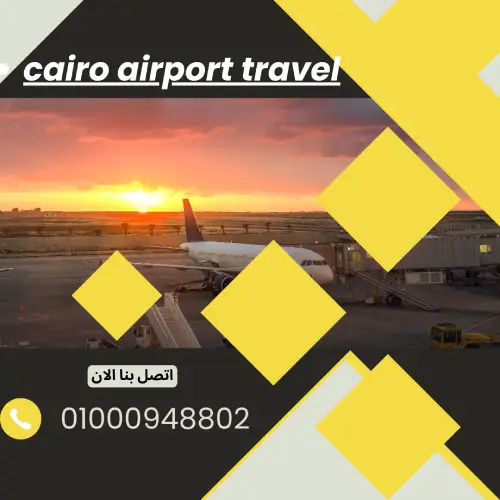
cairo airport runway
###
Cairo Airport Runway: Key Facts and Information
Cairo International Airport (CAI) is the busiest and largest airport in Egypt, serving as a major hub for both international and domestic flights. The **Cairo airport runway** is a critical part of the airport's operations, ensuring the safe and efficient takeoff and landing of hundreds of flights every day. In this article, we will provide you with detailed information about the **runway** at Cairo International Airport, including its specifications, importance, and the role it plays in the airport's daily operations. ###
Overview of Cairo Airport Runway
Cairo International Airport features a modern and well-maintained runway system designed to handle the large volume of air traffic that passes through the airport each day. The airport has **three main runways** which are capable of accommodating a wide range of aircraft, from small regional planes to large international jets. ###
Runway Specifications
Cairo International Airport's runways are built to international standards to ensure the safe movement of aircraft under varying weather conditions. The **main runway specifications** include: 1. **Runway Length**: The airport’s main runway is approximately **4,000 meters (13,123 feet)** long, providing sufficient length for long-haul flights and large aircraft to take off and land comfortably. 2. **Runway Width**: The standard width of the runway is around **60 meters (197 feet)**, which allows for a safe margin on either side of the aircraft during takeoff and landing. 3. **Runway Surface**: The runways are made from high-quality **asphalt** to withstand the heavy traffic and the weight of large aircraft. The runway is designed to be resilient to harsh weather conditions, ensuring its operational effectiveness year-round. 4. **Instrument Landing System (ILS)**: Cairo’s runway is equipped with an **Instrument Landing System (ILS)** that helps pilots land safely, especially during poor visibility conditions such as fog or rain. This system guides the aircraft as it approaches the runway, ensuring precise landings. ###
Runway Operations and Traffic
Cairo International Airport’s runways are in continuous use, with hundreds of flights taking off and landing each day. The airport operates under a carefully managed scheduling system to avoid congestion and ensure efficient traffic flow. Here are some key aspects of runway operations: - **Air Traffic Control**: Cairo Airport has a robust air traffic control (ATC) system that manages the movement of aircraft both in the air and on the ground. This ensures that aircraft follow scheduled timings, maintain safe distances, and avoid any potential collisions. - **Runway Safety and Maintenance**: The airport’s **runway maintenance** is an ongoing process to ensure it remains in optimal condition. Regular inspections are carried out to identify and repair any damage, such as cracks or wear-and-tear, to maintain safety standards. - **Runway Capacity**: While the airport has three runways, they are used based on air traffic demand. During peak hours, air traffic controllers optimize the use of these runways to accommodate a high volume of flights. The efficiency of the runway system is a key factor in managing the busy operations of Cairo International Airport. ###
Runway Upgrades and Expansion Projects
As air traffic continues to grow, Cairo International Airport has been working on upgrading and expanding its infrastructure to meet future demands. This includes the development of **additional runway capacity** and **modernization projects**: 1. **Runway Extension Projects**: There have been discussions about **extending the runways** to accommodate larger aircraft and provide more capacity for international flights. These projects aim to support Cairo’s growing role as a regional aviation hub. 2. **Upgraded Technology**: Cairo International Airport is investing in the latest technology to improve runway operations, including **advanced radar systems**, **runway surface enhancements**, and **automated traffic management** systems to keep pace with modern aviation standards. 3. **New Airport Terminals**: Alongside runway upgrades, the airport is also expanding its terminal facilities to accommodate more passengers. This expansion is closely linked to improving runway capacity and ensuring efficient operations. ###
Importance of the Runway in Cairo Airport Operations
The **runway** at Cairo International Airport plays a central role in its day-to-day operations. Here's why it's so important: 1. **Supporting International Travel**: Cairo Airport serves as a major international hub, connecting Egypt with cities across the globe. The efficiency and capacity of the runway system are critical for accommodating flights from around the world. 2. **Ensuring Safety**: A well-maintained runway system ensures that aircraft can land and take off safely, even in challenging weather conditions. The airport invests in cutting-edge technology and maintenance to reduce risks and ensure flight safety. 3. **Economic Impact**: As a vital transportation hub, Cairo International Airport contributes significantly to Egypt’s economy. A smooth, efficient runway operation supports not only air travel but also the tourism, business, and cargo sectors. 4. **Handling Heavy Aircraft**: The length and design of the runway at Cairo Airport are capable of handling **large international aircraft**, including **Boeing 747s** and **Airbus A380s**. This allows Cairo to serve as a destination for long-haul flights and accommodate various types of aircraft. ###
Conclusion
The **Cairo airport runway** is an essential part of the airport’s operations, ensuring that air traffic moves smoothly, safely, and efficiently. With its extensive length, high-quality surface, and modern technology, the runway allows Cairo International Airport to handle a wide range of aircraft while maintaining safety standards. As the airport continues to grow and expand, the runway will remain a key element in supporting Cairo’s role as one of the busiest airports in the Middle East. ---
Introduction to Cairo Airport Runway
Cairo International Airport is not only the busiest airport in Egypt but also a critical hub for travelers across Africa, the Middle East, and beyond. At the heart of its operations lies the sophisticated Cairo Airport Runway, a marvel of modern engineering and strategic planning. This runway plays a pivotal role in managing the high volume of air traffic, ensuring efficient take-offs and landings, and contributing to the airport's reputation as a world-class facility. In this article, we delve into the key aspects of the Cairo Airport Runway, exploring its design, functionality, and contribution to global aviation.
The Strategic Design of Cairo Airport Runway
The design of the Cairo Airport Runway is a testament to advanced engineering and strategic foresight. With multiple runways stretching over several kilometers, the airport is equipped to handle a wide range of aircraft, from small private planes to the largest commercial airliners. The runways are meticulously maintained to ensure optimal safety and efficiency, featuring state-of-the-art lighting systems and navigational aids. Moreover, the layout is designed to minimize congestion, allowing for smooth and rapid transitions between take-offs and landings, thereby maximizing the airport's throughput capacity.
Enhancing Operational Efficiency
Operational efficiency is a key priority for Cairo International Airport, and the runway infrastructure is central to achieving this goal. Advanced technologies, such as automated air traffic control systems and real-time data analytics, are employed to monitor and manage runway activities. These systems facilitate precise scheduling and coordination, reducing delays and enhancing the overall travel experience for passengers. Furthermore, continuous upgrades and maintenance work ensure that the runways remain in top condition, capable of supporting increasing passenger numbers and evolving aircraft technologies.
Cairo Airport Runway's Role in Global Connectivity
Cairo Airport's strategic location makes it a crucial node in the global air travel network. The airport's runways enable it to serve as a gateway between Africa, the Middle East, Europe, and Asia. This connectivity is vital for international trade, tourism, and cultural exchange, positioning Cairo as a central hub in global aviation. The runway's ability to accommodate a high frequency of flights ensures that travelers and goods can move seamlessly across continents, fostering economic growth and international collaboration.
Updated FAQ
How many runways does Cairo International Airport have?
Cairo International Airport has three main runways, designed to accommodate different sizes of aircraft and traffic volumes.
What technologies are used in managing the Cairo Airport Runway?
The airport employs advanced air traffic control systems, real-time data analytics, and state-of-the-art lighting and navigational aids to manage runway operations.
Why is Cairo Airport considered a major international hub?
Its strategic location connecting Africa, the Middle East, Europe, and Asia, along with its advanced runway infrastructure, makes Cairo Airport a key player in global aviation.
What measures are in place to ensure runway safety at Cairo Airport?
Regular maintenance, advanced navigational aids, and automated air traffic control systems ensure high safety standards on the runways.
Call To Action: To learn more about Cairo Airport's infrastructure and travel tips, visit our website today. Stay informed and make the most of your travel experience!
A Common Question
Many of our customers ask about the best time to reach out regarding cairo airport runway, and the answer is simple: the earlier you contact us, the more flexibility we have to meet your request exactly as you want.
That said, we also do our best to accommodate urgent requests whenever possible.
Your Next Step
If this topic relates to your upcoming trip, the simple next step is to contact us to confirm the details and start arranging it.
Start arranging your trip — call or WhatsApp 01000948802.